Before and after Holland Park rubbish clearance project on Ilchester Gardens
Posted on 22/10/2026

If you have ever looked at a cluttered frontage, a half-finished clear-out, or a pile of unwanted waste sitting longer than it should, you will know how quickly a space can lose its shape. The before and after Holland Park rubbish clearance project on Ilchester Gardens is a good example of how a careful, well-planned clearance can transform a property, a pavement edge, or a communal area from messy and awkward into clean, usable, and far more welcoming.
This article walks through what that kind of project really involves, why it matters in a place like Holland Park, and how to approach it properly. We will look at practical steps, common mistakes, local expectations, and the kind of decisions that make the difference between a rushed tidy-up and a proper result. Truth be told, clearance work is often more about judgement than brute force.
You will also find a simple comparison table, a hands-on checklist, and a realistic case example to help you picture the process. If you are weighing up whether to book a rubbish clearance, or simply trying to understand what "good" looks like, you are in the right place.
Contents
- Why the before and after on Ilchester Gardens matters
- How the clearance process works
- Key benefits and practical advantages
- Who this is for and when it makes sense
- Step-by-step guidance
- Expert tips for better results
- Common mistakes to avoid
- Tools, resources and recommendations
- Law, compliance, standards, or best practice
- Options, methods, or comparison table
- Case study or real-world example
- Practical checklist
- Conclusion
- Frequently asked questions
Why Before and after Holland Park rubbish clearance project on Ilchester Gardens Matters
The value of a rubbish clearance project is not only in how much waste disappears. It is in how the space feels afterwards. On streets like Ilchester Gardens, where presentation, access, and neighbourly standards matter, a messy area can stand out in the wrong way very quickly. One overflowing corner, a broken item left on the pavement, or builders' debris tucked against a wall can make an otherwise smart property look neglected.
The before-and-after difference is often striking. Before, you may see clutter, trip hazards, blocked access, and a general sense of disorder. After, the same space can feel lighter, safer, and easier to maintain. That matters for residents, landlords, tenants, estate managers, and local businesses alike. It is not just about appearance, either. It affects how people move through the space, how secure it feels, and how quickly a property can be put back into normal use.
In a leafy London neighbourhood, people tend to notice details. A pile of garden waste at the wrong moment. A sofa waiting too long by a wall. A few sacks that should have gone already. Small things, yes, but they add up. And if you are preparing for visitors, a move-out inspection, or even just a calmer day-to-day environment, that clean finish makes a real difference.
Expert takeaway: A good clearance project should leave the area visibly cleaner, easier to use, and simpler to maintain. If the "after" still looks rushed, the job was probably only half done.
How Before and after Holland Park rubbish clearance project on Ilchester Gardens Works
Most people imagine rubbish clearance as a quick collection. In practice, a proper project usually has a few stages. That is especially true where access, parking, and neighbours need to be considered carefully. The aim is not merely to remove waste, but to do it in a way that keeps disruption low and outcomes high.
1. Site view and item sorting
The first step is a clear look at what needs removing. Some waste is obvious: broken furniture, old mattresses, bagged rubbish, or leftover building materials. Other items need a little judgement. Mixed waste, recyclable materials, and reusable items may need to be separated so disposal is more efficient and more responsible. In our experience, this is where a rushed job can go wrong.
2. Access planning
Ilchester Gardens, like many central London streets, can be awkward at busy times. Clearance teams need to think about where vehicles can stop, how long loading will take, and whether items need to be carried through narrow access points. A tidy plan saves time and avoids stress. It also reduces the chances of blocking neighbours or creating unnecessary noise.
3. Safe removal
Once the plan is clear, items are removed carefully. Heavier waste should be handled with proper lifting technique, and sharp or awkward materials need extra care. This matters not only for workers but for anyone nearby. A quick lift may look efficient, but if it causes damage to walls, floors, or communal areas, it was not efficient at all.
4. Loading and transport
Waste is loaded for transport to the correct facility or transfer point. Responsible operators separate what can be recycled from what must be disposed of as general waste. If a job includes mixed items, the cleaner the sorting, the better the downstream result. That is where a good clearance starts to look professional.
5. Final sweep and visual check
The after-photo should not just be "less messy." It should look properly finished. A final sweep, a quick check for stray debris, and a glance at the surrounding area all help. The difference between "done" and "done well" is often a few small details. Easy to miss, but important.
Key Benefits and Practical Advantages
There are obvious benefits to rubbish clearance, but the less obvious ones often matter just as much. If you are deciding whether to act now or wait, these are the practical gains worth thinking about.
- Improved appearance: The space looks cared for, which can change how the whole property is perceived.
- Better access: Clear walkways, entrances, and storage areas are easier to use.
- Lower trip and obstruction risk: Fewer loose items mean fewer hazards for residents, visitors, or tradespeople.
- Faster property turnover: Handy for moves, refurbishments, lettings, or end-of-tenancy resets.
- Reduced stress: Clutter tends to weigh on people more than they expect. Once it is gone, the relief is often immediate.
- Better waste handling: A planned clearance is usually more responsible than a last-minute panic pile.
There is also a practical knock-on effect. Once one area is cleared, it becomes easier to spot what really needs attention next. Old boxes, leftover materials, forgotten bags in a corner-suddenly, they stand out. That can be a good thing. It gives you a clean starting point.
For many people, especially landlords and homeowners, the real value is not just the clean-up itself. It is the confidence that the job has been done properly, with less mess left behind and fewer chances of a complaint later on.
Who This Is For and When It Makes Sense
This kind of rubbish clearance is not only for one type of customer. It makes sense for anyone who needs a space brought back into order without turning the whole process into a weekend-long headache. Fair enough, some people like the DIY route. But not everyone wants to spend half a Saturday wrestling a broken wardrobe down three flights of stairs.
Common situations where it makes sense
- Home clear-outs: When lofts, basements, spare rooms, or garages have simply become too full.
- End-of-tenancy or move-outs: When you need the property left in a presentable state.
- Post-renovation waste: For plaster, timber, packaging, fixtures, and other leftover materials.
- Garden clearance: For branches, clippings, soil, broken planters, and outdoor clutter. A service such as garden waste removal in Holland Park can be especially helpful after a heavy trim or seasonal tidy.
- Rental properties: When a landlord or agent needs a quick reset between occupiers.
- Commercial spaces: For offices, shops, or storage areas that have accumulated waste over time.
If you are unsure whether you need a full clearance or just a partial one, start with the scale of the problem. A few bin bags and one bulky item? Possibly simple. A mixed pile of furniture, packaging, and leftover project material? That is usually the point where a professional approach saves time and avoids mistakes.
Some people also underestimate how much easier it is to make decisions when the clutter is out of the way. You cannot always see what you actually have until the space is clearer. That sounds obvious, but it happens all the time.
Step-by-Step Guidance
If you want a smooth before-and-after result, it helps to treat the clearance like a small project rather than a one-off lift and dump. A structured approach keeps things tidy, reduces delays, and helps you avoid that awkward halfway stage where everything is out, but nothing is yet gone.
- Identify the waste types. Separate general rubbish, bulky items, recyclable materials, and anything that needs special handling.
- Check access points. Think about stairs, narrow hallways, front steps, parking, and whether anything needs to be carried a longer distance.
- Set the priority order. Remove items that block access first, then heavier or awkward objects, then the loose material.
- Protect the property. Use care around floors, walls, and door frames. A rushed drag mark on a painted wall is one of those tiny annoyances that lingers.
- Load logically. Keep the vehicle or collection area organised so recyclable and non-recyclable waste do not become mixed unnecessarily.
- Do a final sweep. Check corners, under benches, behind bins, and around entry points.
- Photograph the result if needed. Useful for landlords, managing agents, or anyone documenting a property handover.
The best projects usually move in a neat rhythm: assess, sort, remove, clean, check. Not glamorous, perhaps, but it works. And if there is a tricky item-a damp mattress, a heavy cabinet, or a load of mixed renovation waste-it is better to plan for it than to improvise badly.
One small but important detail: do not leave the final tidy-up for "later." Later has a way of turning into never.
Expert Tips for Better Results
Over the years, the difference between an average clearance and a really solid one usually comes down to a handful of habits. Nothing complicated. Just smart decisions taken early.
- Take a quick photo before the work starts. It helps you track progress and avoid missing awkward corners.
- Group similar items together. Furniture, green waste, packaging, and mixed rubbish should not be left in one chaotic pile if you can help it.
- Leave a clear path. Even a modest path can save time and reduce damage risk.
- Be realistic about weight and volume. People often underestimate how much space one "little pile" actually takes up once it is loaded.
- Think about neighbour impact. Early mornings, late evenings, and shared access areas deserve a bit of consideration.
- Plan for the awkward item first. If something is hard to move, deal with that before your energy drops.
There is also a quiet bit of wisdom here: the better the prep, the less stressful the day itself. Simple. Not always easy, but simple.
Another useful habit is to define what "finished" means before the work begins. Is the goal just removal, or do you want a full sweep and a visibly presentable finish? If everyone knows that up front, the final result is much more satisfying.
Common Mistakes to Avoid
Most clearance problems are preventable. They usually happen because someone is rushing, guessing, or assuming the job is smaller than it really is. Let's be honest, that happens a lot.
- Underestimating volume: A few bulky pieces can fill a van faster than expected.
- Mixing everything together: This makes sorting harder and can reduce recycling opportunities.
- Ignoring access issues: Tight stairs, permit parking, and narrow entrances can all slow a job down.
- Leaving the final tidy-up incomplete: A job that is "mostly done" still looks unfinished.
- Forgetting the neighbours: Noise, blocked paths, and mess outside the property can create avoidable friction.
- Choosing on price alone: Cheap can be fine, but only if it still includes proper handling and no surprise issues later.
A common real-world mistake is assuming every bit of waste can be handled the same way. It cannot. Garden cuttings, old furniture, renovation debris, and electrical items all need different thinking. If you treat them all as one heap, the whole process becomes clumsier than it needs to be.
Also, avoid trying to "save time" by skipping the sort. It rarely saves time in the end. Usually it just moves the mess from the floor into the back of a vehicle. Not ideal.
Tools, Resources and Recommendations
You do not need a huge kit to manage a clearance well, but a few simple tools and materials make the process far smoother. Whether you are preparing the area yourself or coordinating with a team, the right basics help avoid small frustrations that add up.
- Heavy-duty gloves: Useful for handling rough, dirty, or sharp items.
- Wheeled bin or sack trolley: Makes bulky transport easier, especially on level ground.
- Strong refuse sacks: Better for loose light waste, packaging, and mixed small items.
- Dust sheets or floor protection: Helpful if items must pass through indoor areas.
- Basic tape or labels: Good for marking what stays, what goes, and what needs review.
- Camera or phone photos: Helpful for before-and-after records and decision-making.
For anyone comparing providers, it also helps to look beyond the headline promise. A service page such as the services overview can give you a clearer sense of what is covered, while pricing and quotes is useful if you want to understand how estimates are typically framed. If you are curious about broader support, the main rubbish clearance in Holland Park page is a sensible place to start.
On the practical side, some people also benefit from reading about recycling and sustainability, especially if the project involves a fair amount of reusable or recyclable material. It is one of those areas where a little thought goes a long way.
Law, Compliance, Standards, or Best Practice
Rubbish clearance in London is not just a matter of getting things out of sight. Waste must be handled responsibly, and anyone arranging a clearance should think carefully about disposal, duty of care, and the type of waste involved. You do not need to become a waste law specialist to make sensible choices, but it does help to know the basics.
As a general best practice, waste should be taken to appropriate facilities and handled in line with recognised UK waste rules and local expectations. That means not leaving material on the street, not assuming a quick drop-off is acceptable, and not treating every item as ordinary household waste. Some items may need special handling, especially if they are electrical, heavy, contaminated, or mixed with construction debris.
Commercial and residential customers alike should also think about safety. Lifting, carrying, and loading can be physically demanding, and awkward access points increase the risk of injury or property damage. That is why many people choose a service that treats safety as part of the job rather than an afterthought. The page on insurance and safety is relevant here if you want to understand how professional standards are usually presented.
There is also a reputation aspect. In a well-kept area such as Holland Park, poor waste handling can cause complaints fast. Responsible clearance is not only about compliance; it is also about respecting the street, the neighbours, and the property itself. That may sound a bit formal, but it is really just good manners with practical value.
Options, Methods, or Comparison Table
People usually have three broad options: do it themselves, book a man-and-van style collection, or arrange a fuller rubbish clearance service. Which one makes sense depends on time, waste type, access, and how polished you want the end result to be.
| Method | Best for | Typical strengths | Possible drawbacks |
|---|---|---|---|
| DIY clearance | Very small loads, simple access, low urgency | Full control, can be cheaper if you already have transport | Time-consuming, physically demanding, disposal complexity |
| Partial collection | A few bulky items or a manageable mixed load | Quick, flexible, useful for one-off clear-outs | May not suit larger or more complex jobs |
| Full clearance service | Large volumes, mixed waste, tight deadlines, property reset | More efficient, cleaner finish, easier coordination | Usually costs more than doing it yourself |
If your priority is a clean "before and after" result on Ilchester Gardens, the fuller service often wins because it deals with the small stuff as well as the obvious rubbish. That is the bit people forget. The little loose bits, the hidden debris, the second pass around the edge. Those details are what make the final photo look convincing.
For larger or more specialised loads, related services can also help. For example, builders' waste disposal in Holland Park is a better fit where renovation debris is involved, while house clearance in Holland Park may suit fuller property resets. Different job, different approach. Simple as that.
Case Study or Real-World Example
Here is a realistic example based on the sort of work that commonly comes up in Holland Park. A property on Ilchester Gardens had accumulated a mix of old furniture, packaging, broken household items, and some garden cuttings after a small refresh. Nothing dramatic, but enough to make the entrance feel cramped and a bit tired. The owners wanted the place to look better for visitors and remove the sense that "jobs were still unfinished."
Before: The front area felt crowded. There were two bulky items near the wall, loose rubbish bags, and a few bits of debris that had blown into corners. The path was still passable, but only just. You could sense that it was getting in the way of normal use.
During: The load was sorted into categories, larger items were removed first, and the smaller waste was gathered last. Access planning mattered more than expected because the team needed to avoid blocking the street longer than necessary. A careful sweep at the end picked up the stray bits that would otherwise have been missed.
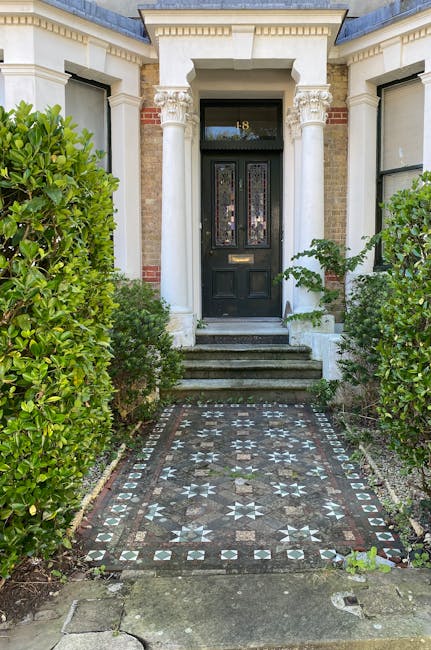
After: The space looked open again. More to the point, it felt easier to use. The entrance no longer drew attention for the wrong reason, and the whole frontage sat better with the rest of the street. Nothing theatrical. Just a cleaner, calmer finish.
That kind of result is often what people want, even if they do not say it exactly like that. Not just "remove the rubbish," but "make it feel sorted." There is a difference.

Practical Checklist
Use this checklist if you are planning a clearance and want a smoother result. It is simple, but it covers the main things that tend to trip people up.
- Identify all waste types: general rubbish, bulky items, garden waste, builders' debris, recyclables.
- Confirm access: stairs, gates, parking, loading space, and any tight turns.
- Decide what stays: avoid accidental removal of items you actually want to keep.
- Group items sensibly: by type, size, or removal priority.
- Protect surfaces: especially floors, walls, and communal hallways.
- Set a clear finish standard: removal only, or removal plus sweep-up.
- Think about timing: choose a window that reduces inconvenience.
- Review safety concerns: heavy lifting, sharp edges, damp waste, or awkward objects.
- Check documentation needs: photos for tenants, landlords, or managing agents.
- Confirm disposal approach: make sure waste is handled properly, not just moved around.
If you can tick those boxes before the job starts, you are already ahead of the game. It saves time, lowers stress, and almost always improves the finish.
Get a free quote today and see how much you can save.
Conclusion
The before and after Holland Park rubbish clearance project on Ilchester Gardens is really about more than waste collection. It is about restoring order, improving safety, and bringing a property back to a standard that feels calm and cared for. Whether you are dealing with one awkward pile or a full mixed clearance, the same principles apply: plan properly, handle items carefully, and finish with attention to detail.
What makes the biggest difference is not size of the job, oddly enough. It is the quality of the approach. A thoughtful clearance will leave a better impression, reduce hassle, and make the space easier to live with straight away. And that is the sort of result people remember.
Sometimes the nicest thing a clearance can do is simply give the place back to you. Quietly, neatly, without fuss.
 Tipper Van - Rubbish Clearance and Basement Clearance Prices in Holland Park, W8
 Luton Van - Rubbish Clearance and Basement Clearance Prices in Holland Park, W8


