Avoid council fines what to know about Holland Park rubbish disposal
Posted on 29/06/2026
Avoid council fines: what to know about Holland Park rubbish disposal
If you live or work in Holland Park, rubbish disposal can feel deceptively simple right up until it isn't. One bag left out at the wrong time, a bulky item placed in the wrong spot, or waste handed to the wrong person can become an expensive headache. This guide explains avoid council fines what to know about Holland Park rubbish disposal in plain English, so you can clear waste confidently, stay within the rules, and avoid those awkward, costly surprises.
We'll walk through what usually triggers problems, how rubbish disposal works in practice, when a professional clearance is the safer choice, and what to do before booking anything. Along the way, we'll also point you to useful pages on our site, such as our recycling and sustainability approach and clear pricing and quotes, because a good decision is usually part compliance, part convenience, and part peace of mind.
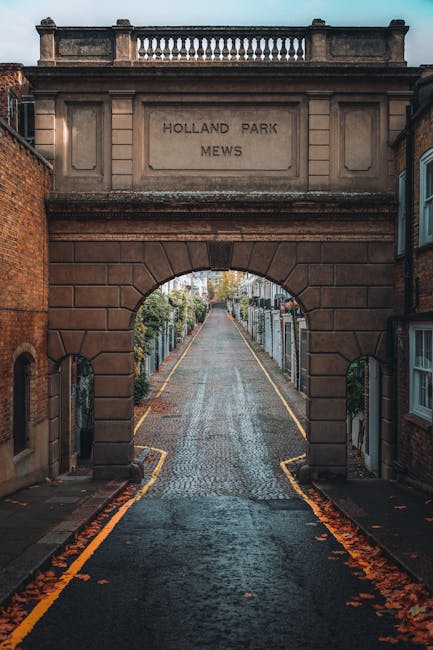
Why this matters in Holland Park
Holland Park is a part of west London where streets are busy, pavements are narrow, and property standards tend to be high. That combination makes poor rubbish handling more noticeable. A bin bag left outside too early, a sofa abandoned near a communal entrance, or renovation waste dumped without the proper arrangement can draw complaints quickly. And once complaints start, council enforcement can follow.
To be fair, most people do not set out to do the wrong thing. It is usually a timing issue, a misunderstanding about what counts as household waste, or a rush during a move, refurbishment, or end-of-tenancy clear-out. But the council does not usually care why the waste appeared there. The waste is either compliant or it isn't. Harsh, maybe. Predictable, absolutely.
That is why it helps to understand local rubbish disposal before you put anything out. It protects you from avoidable fines, keeps communal areas looking respectable, and reduces the chance of neighbours or building managers getting involved. If you are planning a major clearance, our house clearance service in Holland Park and office clearance support can be sensible routes when the waste is too much for normal bins or collection days.
Expert summary: In Holland Park, the safest approach is not just "getting rid of rubbish" but making sure it is sorted, placed, handed over, and removed in a way that fits local expectations. The fine is often avoidable; the mess is usually what causes the issue.
How rubbish disposal works here
At a practical level, rubbish disposal in Holland Park usually falls into one of a few categories: regular household waste, recycling, garden waste, bulky items, builder's waste, or commercial waste. Each type should be handled differently. That sounds obvious, but it is where many people slip up.
For everyday household waste, the key is using the correct bins, putting them out at the right time, and keeping the area tidy. For larger or unusual items, the process changes. You may need a bulky waste collection, a licensed clearance provider, or a building-specific arrangement. If waste is being moved from a flat, especially in a managed block, there may also be rules about lifts, corridors, loading points, and where waste may be left while waiting for collection.
If you are dealing with renovation debris, old fixtures, or timber offcuts, builder's waste rules come into play. That is where our builders' waste disposal in Holland Park page can help you understand what a more structured removal looks like. For garden cuttings, turf, branches, and hedge trimmings, garden waste removal in Holland Park is often the better fit than trying to squeeze everything into standard bins.
Commercial premises need a different level of care too. Offices, boutiques, and small studios often generate packaging, furniture, archive paper, and mixed junk that is not suitable for ordinary kerbside disposal. In those cases, a dedicated office clearance or broader waste removal service is often the cleaner option.
What usually causes fines
- Leaving rubbish on the street or beside bins without permission
- Using the wrong container for the waste type
- Overfilling communal bins so lids do not close
- Dumping bulky items where they block access or create an obstruction
- Handing waste to an unlicensed operator
- Mixing hazardous or restricted items with ordinary rubbish
- Ignoring instructions from a landlord, managing agent, or council notice
Some of these mistakes look small in the moment. Then the wind picks up, a lid blows open, and suddenly everyone can see the whole thing. Not ideal.
Key benefits and practical advantages
Getting rubbish disposal right is not only about avoiding enforcement. Done properly, it makes daily life easier. You save time, reduce stress, and keep your property looking cared for. In a place like Holland Park, where appearance and practicality both matter, that matters more than people admit.
- Fewer compliance risks: You lower the chance of council action, complaints, or re-collection issues.
- Cleaner shared spaces: Communal halls, front steps, and loading areas stay tidy and usable.
- Less time wasted: You do not have to make multiple trips to a disposal point or wait around for unclear instructions.
- Better recycling outcomes: Sorting waste correctly gives more materials a second life.
- Less disruption: Proper clearance keeps neighbours, tenants, and building staff happier. And honestly, that matters.
There is also a softer benefit: you feel in control. That may sound small, but if you have ever been in the middle of a flat move with boxes everywhere, you know how quickly rubbish can snowball. One day it is "just a few bits", the next it is a corridor you have to shuffle sideways through.
If you are comparing service options, the services overview is a sensible place to start. It helps you match the type of waste to the right service, rather than guessing and hoping for the best.
Who this is for and when it makes sense
This topic is relevant to more people than you might think. It is not just for landlords or builders. In Holland Park, rubbish disposal decisions show up in everyday life constantly.
- Homeowners clearing out lofts, basements, garages, or spare rooms
- Renters moving out and needing to leave the property tidy
- Landlords and agents managing end-of-tenancy rubbish or abandoned items
- Families dealing with furniture replacement or seasonal clear-outs
- Garden owners with branches, soil, and clippings after maintenance
- Office managers replacing desks, chairs, and filing equipment
- Developers and tradespeople handling light construction waste
It also makes sense when speed matters. Same-day or next-day removal can be particularly useful when a property inspection is coming up, when a hallway needs to be kept clear, or when bulky items simply cannot sit around for long. For area-specific situations, you may find our posts on same-day rubbish removal for Holland Park Avenue homes and cheap rubbish clearance near Holland Park Station especially useful.
One practical rule of thumb: if the waste is awkward, heavy, mixed, or time-sensitive, it is probably worth handling it properly rather than improvising. Improvising is for weekend playlists, not rubbish.
Step-by-step guidance
If you want to stay compliant and keep the process smooth, follow these steps. They are simple, but simple is good.
- Identify the waste type. Separate household rubbish, recycling, garden waste, bulky items, builder's waste, and anything potentially hazardous.
- Check what cannot go in standard bins. Large furniture, electrical items, heavy rubble, and certain chemicals usually need special handling.
- Confirm building or property rules. If you live in a managed block, ask about bin store access, lift use, and collection timing.
- Decide whether you need a clearance service. If the waste volume is too high, or the items are too bulky, a dedicated collection is often cleaner and safer.
- Sort and stage the waste properly. Keep it together, tidy, and away from shared walkways until removal.
- Book or arrange collection. If you use a professional service, make sure the scope of waste is clear and the timing fits your building access.
- Keep proof of what was collected. A simple record helps if there is ever a question later.
A small but useful habit: take a quick photo before collection. It takes 10 seconds and can save a lot of "was that there before?" conversations. Not glamorous, but useful.
If the waste is from a home clearance, a bigger move, or a mixed job involving furniture and general rubbish, our rubbish clearance in Holland Park page can help you see how a broader clearance fits together.
Expert tips for better results
Most rubbish problems are preventable with a bit of planning. These are the things people who deal with clearances often notice first.
- Do not wait until the last minute. The longer waste sits around, the more likely it is to spill, smell, or attract attention.
- Keep wet and dry waste separate where possible. It is cleaner, easier to handle, and better for recycling.
- Think about access early. Narrow stairwells, resident permits, restricted parking, and concierge systems can slow everything down.
- Be realistic about volume. A room that looks "mostly empty" can still contain more waste than expected once you start pulling things out.
- Use the right service for the job. House clearance, garden waste removal, office clearance, and builders' waste are not interchangeable.
Another tip that saves hassle: tell the clearance team about awkward items up front. Things like mattresses, broken mirrors, broken desks, or heavy planters can affect loading time and vehicle choice. A short, honest description usually prevents a long, irritating delay later.
And if you care about recycling, ask how materials are sorted. It is perfectly reasonable to want waste handled responsibly. You can also read more on recycling and sustainability to see how that fits into a broader waste plan.
Common mistakes to avoid
This is the bit that tends to save people money fastest. A lot of council fine situations happen because of habits that feel harmless but are not.
1. Leaving bags outside too early
It may seem convenient to put bags out the evening before, but if that is not allowed for your specific collection arrangement, it can create a mess and a complaint. In some streets, timing is everything.
2. Mixing too many waste types
Old paint, food waste, broken furniture, and garden cuttings should not be bundled together just because it all needs to disappear. Mixed waste is harder to process and more likely to be rejected or handled incorrectly.
3. Assuming someone else will deal with it
In flats and managed buildings, it is easy to assume the concierge, cleaner, or local authority will tidy up the problem. Sometimes they will. Often, they will not. That assumption gets expensive.
4. Hiring the cheapest option without checking legitimacy
Cheap can be fine. Suspiciously cheap, though, is where trouble starts. If waste is fly-tipped after removal, the original owner can still face consequences if the transfer was not handled properly. It is worth being cautious.
5. Ignoring site-specific rules
Communal estates, conservation areas, and busy residential streets can each have their own expectations. A collection that works in one part of London can be a nuisance in another.
If you are looking at disposal around blocks or estates, local pages like the W11 rubbish collection guide for Melbury Road flats and rubbish clearance for Campden Hill Road estates can give you a feel for the practical side of things.
Tools, resources and recommendations
You do not need a complicated system to stay organised. A few simple tools are enough.
- Basic sorting bags or boxes: Keep recycling, reusables, and general rubbish separate.
- A tape measure: Handy for bulky furniture and door widths. It sounds dull. It saves arguments.
- Phone camera: Use it to record what needs removing before collection.
- Labels or sticky notes: Mark items that are staying, being donated, or going out.
- A short checklist for building access: Lift rules, loading bay access, parking restrictions, and collection time windows.
For people who want a smoother service experience, our pages on insurance and safety, payment and security, and about us are worth a look. They help set expectations before anyone arrives at your door with tools, trolleys, or a van.
For a broader sense of which service fits your situation, you can also review your rubbish removal needs. It is a practical starting point if you are still deciding between a clearance and a simple collection.
Law, compliance, standards, and best practice
Waste disposal in the UK is not just a courtesy issue; it is a compliance issue. You do not need to become a legal specialist, but you should understand the basics. Waste should be stored safely, handed over responsibly, and disposed of through appropriate channels. If a third party removes your waste, best practice is to make sure they are legitimate and that the waste does not end up dumped illegally.
For householders, the main risks usually come from poor presentation of waste, incorrect placement, or handing it to the wrong operator. For landlords, agents, and businesses, the standard is a little higher because the volume, duty of care, and visibility are often greater. If your property is in a managed block, the building rules may add another layer on top of that.
Best practice usually looks like this:
- Keep waste contained until collection
- Separate recyclable material where possible
- Use a service appropriate to the waste type
- Avoid blocking communal access points
- Retain a simple record of collection
- Choose a provider with clear terms and sensible safety procedures
It is worth noting that council enforcement is often triggered by the visible result, not by your intention. So even if you meant well, a poorly managed pile of rubbish can still look like an offence. Not fair in the emotional sense, perhaps, but very much how enforcement tends to work.
Options, methods, and comparison table
When deciding how to dispose of waste in Holland Park, most people choose between a few methods. The best one depends on volume, time, item type, and how much lifting you want to do yourself.
| Method | Best for | Pros | Watch-outs |
|---|---|---|---|
| Normal household bins | Small everyday waste | Simple, familiar, low effort | Limited capacity, strict timing, not suitable for bulky items |
| DIY trips to a disposal point | Light to medium waste if you have transport | Control over sorting, useful for small loads | Time-consuming, lifting involved, can be awkward in city traffic |
| Professional rubbish clearance | Mixed, bulky, or urgent waste | Fast, convenient, less physical strain | Needs clear booking and accurate item description |
| Specialist builders' waste removal | Renovation debris and trade waste | Better for heavy or awkward loads, more structured | Must match the waste type to the right service |
| Garden waste removal | Branches, clippings, soil, outdoor clear-outs | Cleaner and easier than overloading household bins | Wet or heavy garden waste can become bulky quickly |
In many Holland Park situations, professional removal ends up being the most efficient route, especially where access is tight or the waste is mixed. If you want a local comparison point, the article on same-day options for Holland Park Avenue homes shows how speed and practicality can matter in real life.
Case study or real-world example
Picture a common scenario: a family in a flat off a busy Holland Park road is preparing for a move. They have two wardrobes to dismantle, three boxes of old books, a broken desk, a worn mattress, and a pile of mixed clutter from the spare room. There is a communal bin store downstairs, but it is already near capacity. The lift is small, parking is awkward, and the move-out inspection is in two days.
At first, the family considers leaving the items in the hallway for collection after bin day. That is exactly the sort of decision that can go wrong. A better approach is to sort the items, keep everything indoors until the booked collection time, and use a clearance service that can remove the bulky waste in one visit. The hallway stays clear, neighbours are not inconvenienced, and there is no pile of furniture becoming part of the street scene.
Nothing dramatic happened in that example, which is the point. Good rubbish disposal often looks boring from the outside. No complaints, no mess, no fines, no awkward emails from the managing agent. Just a clean finish.
For people in similar situations, especially around local estates and apartment blocks, our area-focused posts on Campden Hill Road estates and Kyoto Garden rubbish pickup rules and council fines may offer useful context.
Practical checklist
Use this before you put anything out or book a collection.
- Have I identified the waste type correctly?
- Do I know what can and cannot go in normal bins?
- Have I checked any building, landlord, or estate rules?
- Is the waste kept inside or properly contained until collection?
- Have I separated recyclable items where practical?
- Do I need a bulky waste, garden waste, house clearance, or office clearance service?
- Have I confirmed access, parking, and timing?
- Do I know who is removing the waste and whether the service is suitable?
- Have I taken a quick photo or record of the items?
- Am I confident the collection will not block shared space or create a nuisance?
If you can tick most of those off, you are already in much better shape than the average hurried clear-out. And yes, "hurried clear-out" is a polite way of saying total chaos.
Conclusion
Staying clear of council fines in Holland Park is mostly about common sense, timing, and choosing the right disposal method for the waste in front of you. Small household rubbish is one thing; bulky furniture, garden waste, office clutter, and builders' debris are another. The more complex the waste, the more useful it is to stop guessing and put a proper plan in place.
That is the real message behind avoid council fines what to know about Holland Park rubbish disposal: don't just get rid of waste, manage it correctly. Keep it contained, know the rules, use the right service, and think ahead about access and collection. It is a modest bit of effort that can save time, money, and hassle later.
Get a free quote today and see how much you can save.
And if you want the whole job handled with less stress, it helps to choose a team that understands the area, the access issues, and the practical side of tidy removals. A clean finish is a good feeling, isn't it?

 Tipper Van - Rubbish Clearance and Basement Clearance Prices in Holland Park, W8
 Luton Van - Rubbish Clearance and Basement Clearance Prices in Holland Park, W8


